Wake and Durham County Property Tax Revaluations: What Buyers Should Know
What you'll walk away with
- Wake County: next revaluation January 1, 2027, then every two years
- Durham County: current reappraisal January 1, 2025; next scheduled for 2029
- How to estimate your own annual property tax
In this guide
- Wake County
- Durham County
- Current rates (fiscal year 2026-27)
- What this means for you
Property taxes are one of the first things relocating buyers ask about. Part of the answer is how often each county revalues homes, because your bill depends on both the assessed value and the tax rate.
Wake County
- The last countywide revaluation took effect January 1, 2024.
- The county had planned the next for 2028, but in March 2025 the Board of Commissioners voted to shorten the cycle. The next revaluation takes effect January 1, 2027, with future revaluations every two years after that (the first on the two-year cycle is January 1, 2029).
- The county says more frequent revaluations spread value changes more gradually and reduce "sticker shock."
Durham County
- The current reappraisal took effect January 1, 2025.
- The county's published materials list the next scheduled reappraisal as January 1, 2029. State law sets an eight-year maximum cycle.
Current rates (fiscal year 2026-27)
These are the rates per $100 of assessed value, listed county plus town, with how well each is confirmed. They exclude fire and special-district taxes and any fees (such as solid waste), which vary by parcel. Counties and towns reset rates after revaluations, so expect changes.
| Location | County | Town / city | Combined | Source status |
|---|---|---|---|---|
| Raleigh | 0.5371 | 0.3720 | 0.9091 | Official |
| Cary (Wake side) | 0.5371 | 0.3675 | 0.9046 | Official |
| Apex | 0.5371 | 0.3735 | 0.9106 | Official |
| Morrisville (Wake side) | 0.5371 | 0.3500 | 0.8871 | Official |
| Rolesville | 0.5371 | 0.4000 | 0.9371 | Town budget document |
| Wake Forest | 0.5371 | 0.4200 | 0.9571 | Confirm: proposed, no change |
| Wendell | 0.5371 | 0.4200 | 0.9571 | Confirm: reported by news |
| Knightdale | 0.5371 | 0.4400 | 0.9771 | Confirm: budget and fee schedule |
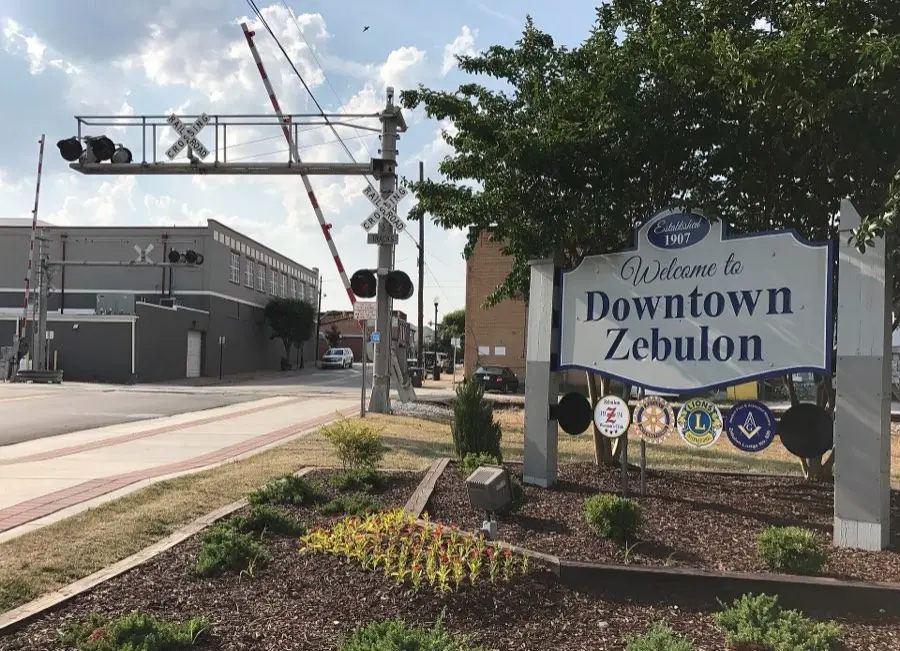
| Zebulon | 0.5371 | 0.5770 | 1.1141 | Confirm: prior-year ordinance |
| Durham (city) | 0.5792 | 0.4371 | 1.0163 | Official |
| Unincorporated Wake | 0.5371 | n/a | 0.5371 | Official |
Wake County's rate is 53.71 cents per $100 for fiscal year 2027 (a 2-cent increase). Durham County's is 57.92 cents. Cary and Morrisville parcels in Durham or other counties use that county's rate. Youngsville is in Franklin County, so look up Franklin County's and the town's rates. "Confirm" rows come from proposed budgets or secondary reports; verify them with the town before relying on them.
What this means for you
After a revaluation, your assessed value is reset to the market, and counties and towns then set tax rates. North Carolina also requires a published revenue-neutral rate, the rate that would raise the same revenue as the year before, which helps you compare what a new rate really changes. When you shop, ask me to estimate taxes using the current assessment and rate, and to explain how the next revaluation could shift them.
Your home's specific bill also depends on its town (a municipal tax may apply) and any special districts. I'm glad to look up an address with you.
Sources: Wake County: 2027 Revaluation · Wake County: 2026 Property Tax Bills · Durham County: Reappraisal · Durham County: 2026 Tax Rates · Town of Apex: Budget · Town of Rolesville: Approved FY27 Budget · Town of Wake Forest: Budget · Town of Knightdale: FY27 Budget Message
General information, not legal, tax or financial advice. Rules and forms change; confirm current details with your closing attorney, lender and the sources linked above.
Property tax homework
- Look up the home’s current assessed value on the county site
- Confirm the county and any town (municipal) tax rates
- Ask about special district taxes
- Note the next revaluation date for that county
- Ask your lender how taxes will be escrowed
- Re-run the estimate using the revenue-neutral rate and the new rate when published
About this guide
Joseph Ford is a licensed North Carolina real estate broker and REALTOR®, not an attorney, lender, tax professional or financial advisor. This guide is general educational information, not legal, tax, lending or investment advice, and it is not an offer or commitment to lend. Laws, forms, rates and program terms change; confirm current details with the sources linked above and with the appropriate professional. You are free to choose any lender, attorney, inspector or other provider, and I will never require you to use one I mention. Equal Housing Opportunity.
Categories
Recent Posts